
How One Auckland Retail Store Went from Zero Online to 133 Ranking Keywords
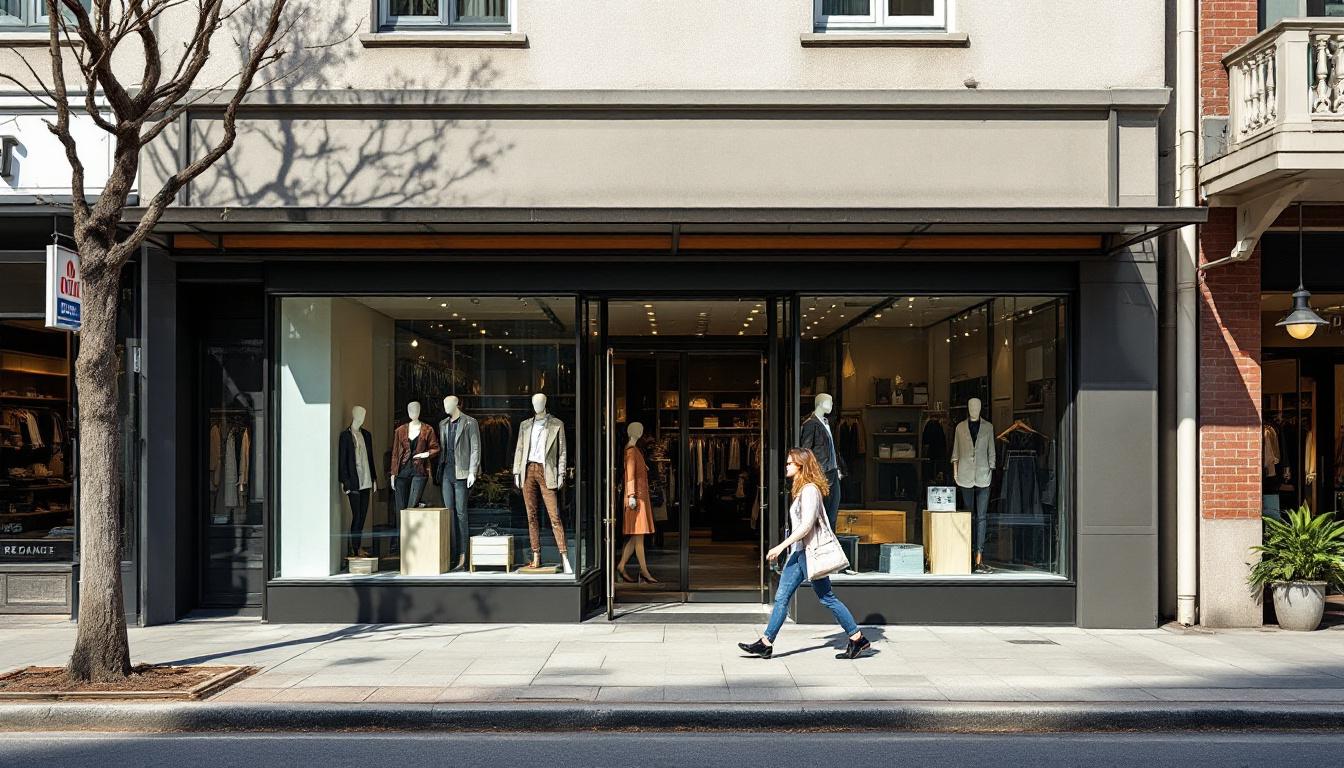
The store had been trading for years. It sat in a busy Auckland suburb, the kind of place where foot traffic used to be enough. Ten staff, loyal regulars, a product range that customers genuinely loved. The owner had built the business the old-fashioned way — word of mouth, a good location, and showing up every day.
But the world around the store had changed. Customers were searching before they visited. They were typing product names and "near me" into their phones while sitting on the couch at home. They were comparing options, reading reviews, checking opening hours — all on Google. And this store wasn't part of any of those conversations. It had no website. No Google Business Profile worth mentioning. No digital footprint at all.
When someone two streets away searched for exactly what this store sold, they found the competitors. Every single time. Not because the competitors were better. Because the competitors existed online and this store didn't.
In October 2024, the owner decided that had to change. This is the story of what happened next — and what the numbers looked like eighteen months later.
Does this sound like your business? We'll check your local search visibility for free — no strings, just a clear picture of where you stand.
Starting from Literally Nothing
When we say "zero online presence," we mean it literally. No website. No domain. No Google Business Profile activity. No backlinks because there was nothing to link to. The business existed entirely in the physical world. If you didn't already know about it, Google couldn't help you find it.
This is more common than people think. There are thousands of established NZ businesses — shops, trades, services — that have been running profitably for years on reputation and location alone. The problem isn't that they're bad businesses. The problem is that buyer behaviour has shifted permanently, and the businesses that don't show up in search are slowly becoming invisible to new customers.
The first step was building a website. Not a flashy, over-engineered website. A clean, fast, properly structured site that told Google three things clearly: what this business does, where it's located, and why it's worth visiting. Every page was built with search intent in mind — not stuffed with keywords, but written to genuinely answer the questions that potential customers were typing into Google.
At the same time, we set up and fully optimised their Google Business Profile. Correct categories, complete business hours, proper descriptions, quality photos of the store, the products, and the team. We made sure the NAP (name, address, phone) was identical across the website, Google profile, and every directory listing we could find.
A business that has existed for years but has zero online presence isn't starting from a position of weakness. It's starting from a position of untapped potential. The reputation is already there. The products are proven. The only thing missing is visibility — and that's exactly what SEO builds.
The First Six Months: Building the Foundation
The results didn't come overnight. They never do with SEO, and anyone who promises otherwise is lying. But they came steadily, and they came in a way that compounded over time.
Within the first three months, the website started appearing in Google's index. Keywords began showing up in Search Console — not high-ranking ones at first, mostly page three and beyond, but the trajectory was clear. Google was discovering the business and starting to understand what it was about.
By month six, the numbers were moving. The domain had started building authority. Referring domains — other websites linking to the store's site — were growing organically. Some came from local directories. Some came from supplier websites that listed their stockists. A couple came from local community pages that mentioned the business. Each backlink was another vote of confidence in Google's eyes.
The content strategy was intentional but not aggressive. We weren't publishing three blog posts a week or chasing every keyword under the sun. We focused on the terms that mattered — the ones that potential customers were actually searching for. Product-related queries, location-based searches, "best" and "near me" variations. Each piece of content served a specific purpose in the overall search strategy.
Meanwhile, the Google Business Profile was becoming active. Regular posts, photo updates, responses to reviews. The owner started asking satisfied customers to leave a Google review after their visit — not with incentives, just a genuine ask. The reviews accumulated steadily, and each one strengthened the local search signal.
What the Numbers Look Like Now
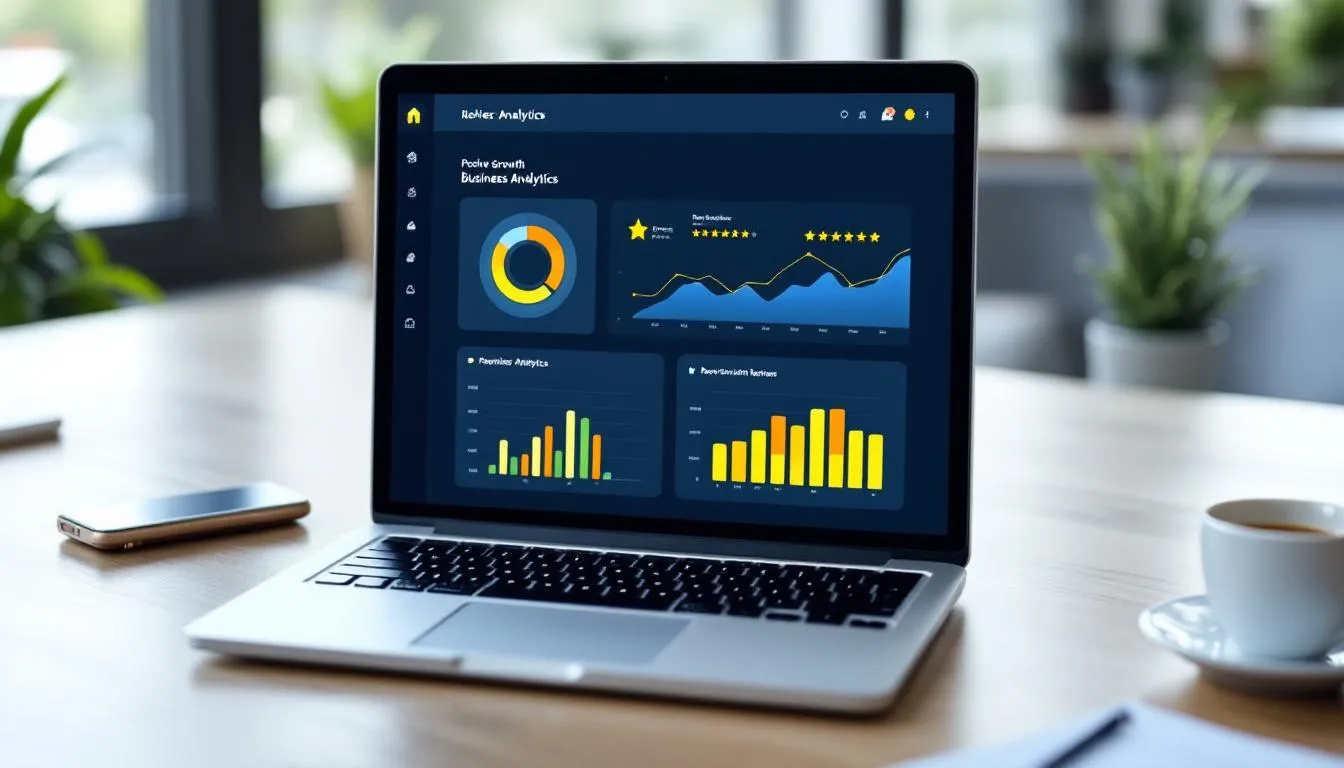
Eighteen months after starting from zero, here's where the business stands. These are real numbers, verified in Ahrefs and Google Search Console.
The website now ranks for 133 keywords in Google. Some of those are on page one. Many are on page two and climbing. The domain rating has grown to 7 — modest by enterprise standards, but significant for a local retail business that didn't have a website eighteen months ago. There are 44 referring domains pointing to the site, with a total of 730 backlinks. None of them were paid for. All of them were earned through content, listings, and genuine business relationships.
The organic traffic curve tells the real story. From October 2024 to mid-2025, it was a steady upward climb. Not a hockey stick — SEO rarely is — but a consistent, measurable increase in people finding the business through Google who would never have found it before.
Then came October 2025, and things got interesting. Google changed how it reports search data for rankings beyond page one. Queries that previously showed up in Search Console for page-two and page-three results suddenly disappeared from the data. The visibility metrics appeared to drop. But the actual traffic — people clicking through, visiting the site, walking into the store — didn't fall. What changed was Google's reporting, not the business's actual performance.
Since then, the rankings have been climbing again. Keywords are moving from page two to page one. The referring domains continue to grow. The compounding effect that we saw in the first year is accelerating.
SEO isn't a straight line. Algorithm changes, reporting shifts, and seasonal fluctuations will create bumps along the way. What matters is the long-term trajectory — and for businesses that invest consistently, that trajectory points up.
Why This Matters for Every NZ Small Business
This retail store isn't unique. The product is different, but the pattern applies to every local business in New Zealand. Plumbers in Hamilton, dentists in Wellington, hairdressers in Christchurch, auto mechanics in Tauranga. The industry changes. The mechanics of local search don't.
Every NZ business that relies on local customers — people searching within a specific area for a specific product or service — is competing in the same search ecosystem. Google is the new Yellow Pages, except most businesses haven't bothered to fill in their listing properly.
The businesses that take local SEO seriously don't need to be the biggest in their industry. They need to be the most visible. A good retailer with a proper website, genuine reviews, and consistent content will get found over a great retailer with no online presence. That's not fair, but it's how the market works when most customers start their journey on a search engine.
According to Google's own research, businesses with complete profiles are twice as likely to be considered reputable by searchers. Searches containing "near me" have grown consistently year over year. For NZ small businesses, online visibility isn't a nice-to-have — it's the primary discovery channel for new customers.

The Three Things That Actually Move the Needle
After working with dozens of NZ local businesses — including this Auckland retailer — the pattern is clear. Three things determine whether you show up in local search results, and they're the same three things most businesses neglect.
The first is having a properly built website. Not a template thrown together in an afternoon. A site with clean structure, fast load times, proper schema markup, and content that matches what people are actually searching for. Your website is the foundation that everything else builds on. Without it, your Google Business Profile is floating in a vacuum — Google has nothing to reference, no content to crawl, no depth to evaluate. This Auckland store went from zero to 133 keywords because the website gave Google something substantive to work with.
The second is reviews and profile activity. A Google Business Profile with five reviews from two years ago looks abandoned. A profile with regular reviews, weekly posts, fresh photos, and responsive owner replies looks alive. Google weighs recency heavily. The best approach is simple: ask every satisfied customer. Build it into your process. A card at the counter, a follow-up text, a QR code by the till. Make it easy and make it habitual.
The third is backlinks that build domain authority. This sounds technical, but the principle is straightforward. When other websites link to yours — directories, suppliers, local business associations, community pages — Google treats each link as a signal that your business is legitimate and relevant. This store's 44 referring domains didn't come from a link-building campaign. They came from being listed where a real business should be listed. A structured SEO strategy ensures these opportunities aren't left on the table.
What Happens When You Don't Do This
The alternative is what most NZ small businesses experience: slow decline in new customer acquisition, increasing dependence on word of mouth alone, and a vague sense that "younger customers don't shop here anymore."
They do shop. They just shop with whoever Google shows them first.
We've audited businesses that were spending thousands on print advertising, letterbox drops, and social media ads while their Google Business Profile had three reviews, no photos, and no website link. They were paying for attention through channels that don't compound, while ignoring the one channel — search — where every dollar of effort builds on the last.
That's the hidden cost of neglecting local SEO. It doesn't just mean you're missing organic traffic. It means every other marketing channel becomes more expensive because you have no digital foundation to build on. Paid ads cost more when your organic presence is weak. Social media converts less when there's no website to send people to. Even word of mouth loses power when a referred customer Googles your name and finds nothing.
Neglecting local SEO doesn't just cost you organic traffic. It makes every other marketing channel more expensive. Without a foundation of content, reviews, and domain authority, you're paying a premium for visibility that your competitors are earning for free.
Where to Start If This Sounds Like Your Business
If you've read this far and recognised your own situation — no website, a bare-bones Google profile, zero presence in local search — the good news is that the gap is fixable. This Auckland retailer proved it. From literally nothing to 133 ranking keywords in eighteen months.
Start with the basics. If you don't have a website, that's step one. If you have one but it hasn't been touched in years, it probably needs a rebuild. Your site needs to clearly describe what you sell, where you're located, and how to visit or get in touch. It needs to load fast, work on mobile, and give Google enough content to understand your business.
Next, claim and complete your Google Business Profile. Log in, fill in every field, upload quality photos, and make sure your information matches your website exactly. Then ask five customers for a review this week. Just five. Do the same next week. A technical guide to local SEO setup can walk you through the specifics.
And if you'd rather have someone handle the whole thing so you can focus on running your business — that's what we do. The Auckland retailer we've been talking about didn't become an SEO expert. They focused on their customers and their products. We handled the search visibility. Eighteen months later, new customers are finding them every day through Google — customers who would never have walked through the door otherwise.
Not sure where you stand in local search? Drop us a line — we'll pull your local SEO data and show you exactly where the opportunities are. No jargon, no pressure, just clarity.
Frequently Asked Questions
How long does local SEO take to show results in New Zealand?
Most NZ businesses see measurable improvements in Google visibility within four to eight weeks of consistent work. Ranking for competitive local terms typically takes three to six months. In our retail client's case, keywords began appearing within the first three months, with significant growth by month six. The timeline depends on your starting point, competition, and consistency.
What is the most important factor for local SEO in NZ?
For businesses starting from zero, a properly built website is the single most important step. It gives Google the content it needs to understand your business. Once that's in place, Google Business Profile completeness and reviews become the biggest ongoing factors for local visibility.
Do I need a website for local SEO to work?
You can rank in Google Maps without a website, but having one significantly strengthens your local SEO. Our Auckland retail client had no website at all before October 2024. Building one was the catalyst that took them from invisible to 133 ranking keywords.
How much does local SEO cost for a small business in NZ?
Local SEO for a small NZ business typically costs $500-$2,000 per month for ongoing optimisation. Many businesses start with a website build and SEO setup ($3,000-$8,000) before moving to monthly management. The ROI compounds over time — unlike ads, the traffic you earn through SEO doesn't disappear when you stop paying.
What happens when Google changes its algorithm — will I lose my rankings?
Algorithm updates can cause temporary fluctuations, but businesses with strong fundamentals — quality content, genuine reviews, consistent data, and natural backlinks — recover and continue growing. In October 2025, Google changed how it reports rankings beyond page one, which caused apparent drops in visibility data. But actual traffic and customer enquiries for well-optimised businesses remained stable.
Looking for the same result? Our SEO services in Auckland help local businesses get found on Google Maps and search.